
Completely avoiding sugar is unrealistic for many people. From sweet drinks and pastries to everyday snacks, sugar is part of daily life. The real issue is not just how much sugar you eat, it’s how you manage its effects on your teeth.
Cavities form when sugar feeds bacteria in your mouth. Those bacteria produce acid, and that acid slowly weakens your tooth enamel. Over time, this creates decay.
If you regularly consume sugary foods or drinks, prevention becomes even more important.
Why Sugar Causes Cavities
When you eat sugar:
- Bacteria in your mouth feed on it
- Acid is produced
- Enamel weakens
- Repeated exposure leads to decay
It’s not just the amount of sugar — it’s the frequency. Constant snacking or sipping sweet drinks throughout the day keeps acid levels high.
Practical Ways to Prevent Cavities (Even If You Eat Sugar)
1. Reduce Frequency, Not Just Quantity
Instead of snacking on sweets throughout the day:
- Eat sugary foods during main meals
- Avoid constant sipping of sweet beverages
- Give your mouth time to recover between meals
Your saliva needs time to neutralize acid.
2. Rinse With Water After Eating
If brushing immediately isn’t possible:
- Rinse your mouth thoroughly with clean water
- Swish for 20–30 seconds
This helps remove sugar and reduce acid buildup.
3. Brush With Fluoride Toothpaste Twice Daily
Fluoride strengthens enamel and helps reverse early decay.
Brush:
- After breakfast
- Before bed
Avoid brushing immediately after acidic drinks — wait about 30 minutes.
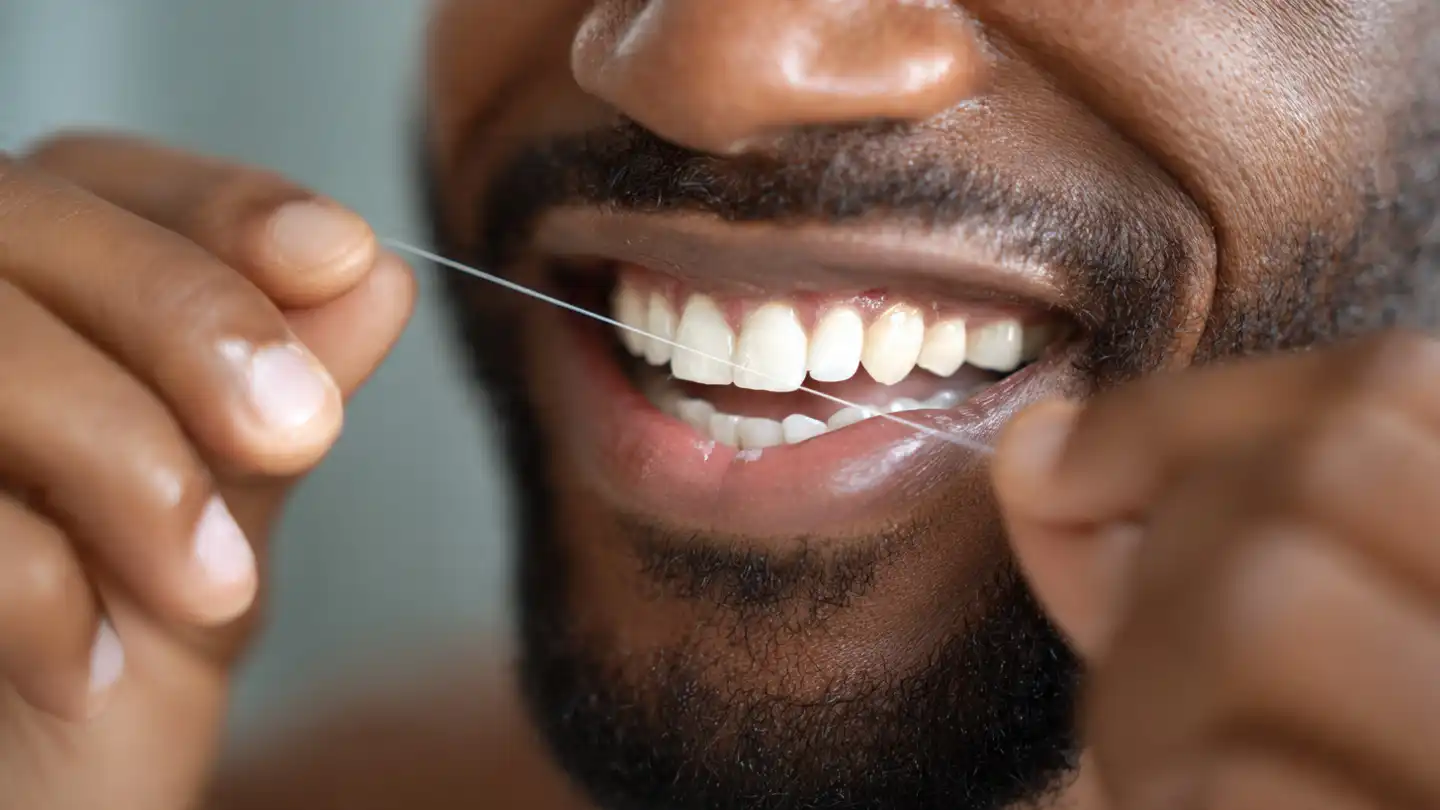
4. Floss Daily
Cavities often start between teeth, especially when sugary foods get trapped.
Flossing removes hidden debris your toothbrush cannot reach.
5. Limit Sugary Drinks
Sugary drinks are particularly harmful because they:
- Coat teeth with sugar
- Are often sipped slowly
- Keep acid in contact with enamel
If you consume them:
- Use a straw
- Avoid holding the drink in your mouth
- Rinse afterward
6. Chew Sugar-Free Gum
Sugar-free gum stimulates saliva production, which helps neutralize acid and wash away food particles.
7. Get Regular Dental Check-Ups
Even with good home care, early cavities can develop silently.
Routine check-ups allow:
- Early detection
- Professional cleaning
- Preventive treatments
At Omabod Dental & Wellness Center, preventive care focuses on catching decay before it becomes painful or expensive to treat.
Common Sugar Habits That Increase Risk
Be mindful of:
- Drinking sweet beverages before bed
- Snacking on sticky sweets
- Falling asleep without brushing
- Giving children sugary drinks frequently
Cavities develop from repeated exposure, not one occasional treat.
Can Cavities Be Reversed?
Early enamel damage (before a hole forms) can sometimes be reversed with:
- Fluoride toothpaste
- Improved oral hygiene
- Professional dental guidance
Once a cavity forms, it requires treatment.
Key Takeaways
- Sugar feeds bacteria that produce enamel-damaging acid
- Frequency of sugar intake matters more than the total amount
- Rinsing, brushing, and flossing reduce risk
- Fluoride strengthens teeth
- Regular dental visits catch decay early
A quick reality check
If you enjoy sweet foods regularly, are your oral hygiene habits strong enough to protect your teeth?
Small daily adjustments can prevent major dental problems later.