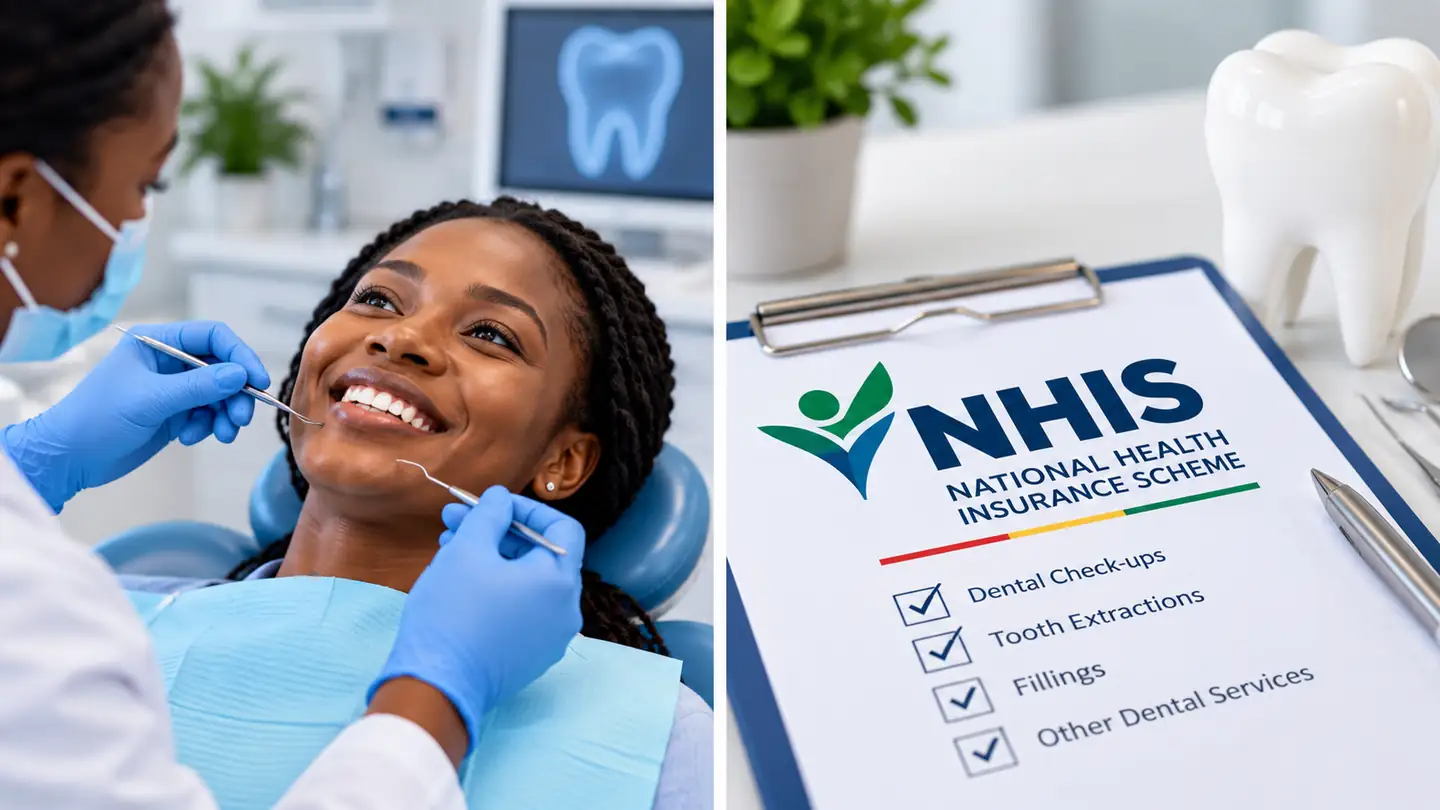

You do not need to have a toothache before seeing a dentist. Many dental problems begin quietly and can progress for weeks or months before they cause obvious pain.
A routine dental check-up can identify early signs of tooth decay, gum disease, bite problems, tartar buildup, and other changes that may be difficult to notice at home.
If you are not in pain but have noticed any of the signs below, it may be time to book a dental check-up.
1. Your Gums Bleed When You Brush or Floss
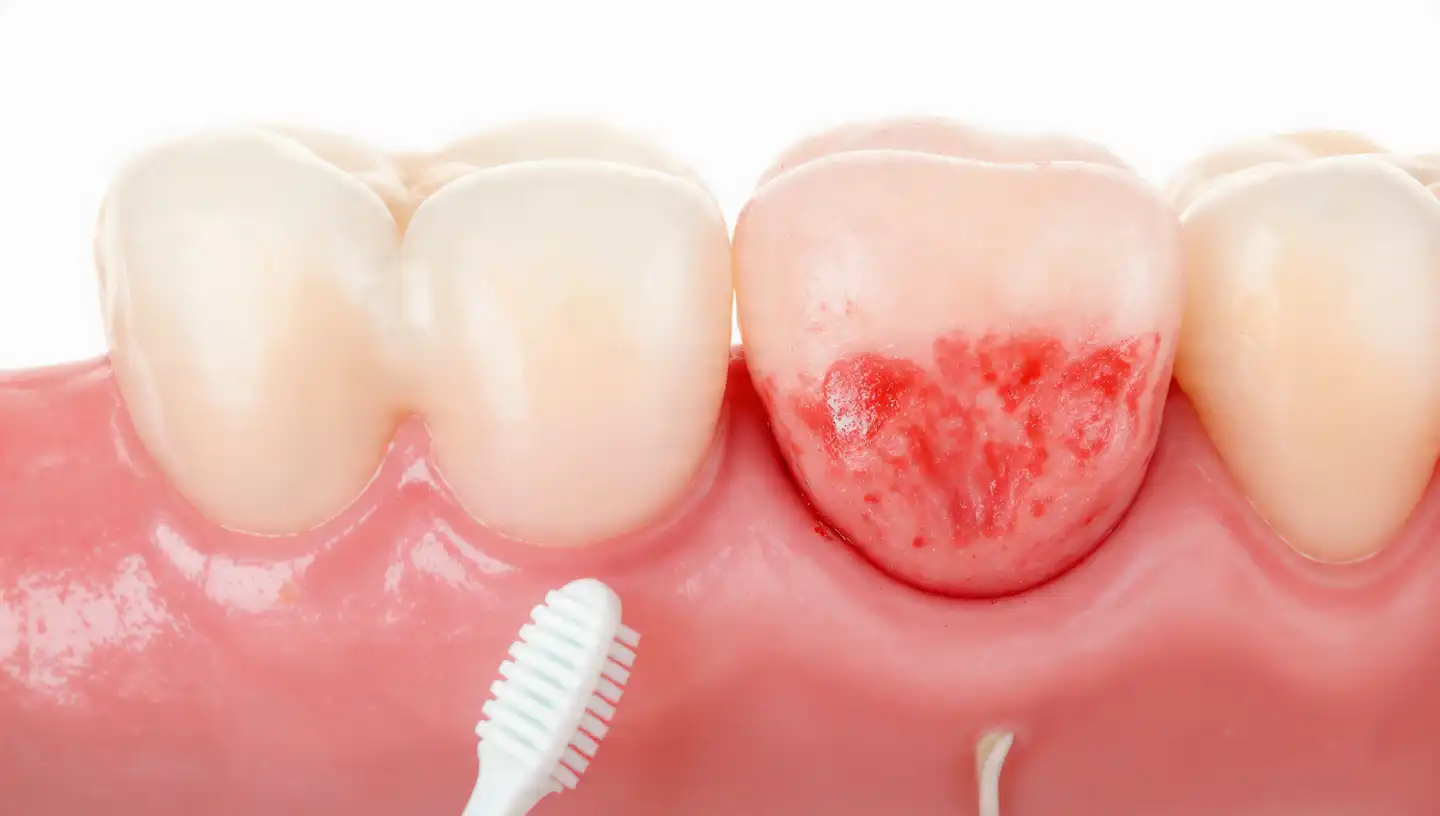
Occasional bleeding can happen if you brush too aggressively or have just started cleaning between your teeth. But gums that bleed frequently may be inflamed.
Plaque buildup along the gumline can lead to gingivitis, the early stage of gum disease. Gingivitis may not be painful, which makes bleeding one of the signs people often overlook.
If bleeding continues despite gentle brushing and daily interdental cleaning, arrange a dental assessment. You can also read our guide to what causes bleeding gums.
2. You Have Persistent Bad Breath
Bad breath after certain foods is normal. Bad breath that keeps returning despite brushing, flossing, tongue cleaning, and hydration deserves attention.
Persistent halitosis can be associated with plaque, tartar, gum disease, dry mouth, cavities, or other oral-health problems. A dental examination can help determine whether the source is in the mouth and what treatment is appropriate.
See our full guide on bad breath and halitosis for more detail.
3. Your Teeth Feel Sensitive to Hot, Cold, or Sweet Foods
Tooth sensitivity does not always mean something serious, but it can be linked to worn enamel, gum recession, tooth decay, cracks, or exposed tooth roots.
If sensitivity is new, getting worse, or affecting a particular tooth, a check-up can help identify the cause before it develops into a more painful problem.
Read more about tooth sensitivity, its causes, and treatment options.
4. You Can See Tartar or Heavy Buildup on Your Teeth
Plaque can harden into tartar, particularly around the gumline and behind the lower front teeth. Once tartar has formed, normal brushing and flossing will not remove it effectively.
Visible yellow or brown deposits are a good reason to have your teeth and gums checked. Professional scaling and polishing can remove hardened deposits and give the dental team an opportunity to assess your gum health.
5. Food Keeps Getting Stuck Between the Same Teeth
Food occasionally getting trapped between teeth is common. But if it repeatedly collects in the same place, there may be a gap, damaged filling, cavity, gum change, or contact problem between the teeth.
Repeated food trapping can irritate the gums and make the area harder to keep clean. A dentist can examine the space and determine whether anything needs treatment.
6. You Notice a Dark Spot, Hole, Crack, or Change in a Tooth
Early dental decay and small cracks are not always painful. You may first notice a dark area, rough edge, small hole, chipped corner, or a change in the appearance of a tooth.
Not every mark is a cavity, but visible changes are worth checking. Treating a small problem early is usually simpler than waiting until the tooth becomes painful or breaks further.
7. Your Gums Look Swollen, Red, or Are Pulling Away From Your Teeth
Healthy gums should not remain persistently swollen or inflamed. Puffiness, redness, tenderness, or recession can signal gum irritation or gum disease even when there is no toothache.
If your gums are swollen, see our guide to swollen gums and when to see a dentist.
8. Your Bite Feels Different
Your teeth should come together in a familiar, comfortable way. If your bite suddenly feels different, a tooth seems higher than before, or chewing feels uneven, it is worth having the area examined.
Changes in bite can be associated with a damaged tooth, filling problem, tooth movement, grinding, gum changes, or other dental issues. The cause is difficult to identify reliably without an examination.
9. Your Mouth Often Feels Dry
Saliva helps protect teeth by washing away food particles, neutralising acids, and supporting the mouth’s natural defences. Persistent dry mouth can increase the risk of tooth decay and other oral problems.
Dry mouth may be related to dehydration, medications, mouth breathing, tobacco use, or medical conditions. If it is persistent, mention it during your dental check-up so the dentist can assess its effect on your oral health.
10. It Has Been a Long Time Since Your Last Dental Check-Up
Feeling fine does not necessarily mean there is nothing to check. Cavities, gum disease, worn fillings, tartar buildup, and other dental changes can develop without obvious symptoms.
There is no identical check-up interval for everyone. How often you should be seen depends on your oral health, previous dental problems, gum condition, cavity risk, medical history, and your dentist’s recommendation.
For more detail, read how often you should visit a dental clinic.
What Happens During a Routine Dental Check-Up?
A routine check-up is designed to assess your oral health before small problems become larger ones. Depending on your needs, the dentist may:
- Examine your teeth for decay, cracks, wear, or damaged restorations
- Check the gums for inflammation, bleeding, recession, or signs of gum disease
- Assess your bite and areas where food is trapping
- Examine the tongue and soft tissues inside the mouth
- Recommend X-rays when they are clinically appropriate
- Discuss cleaning, preventive care, or treatment if anything needs attention
You can learn more about dental check-ups at Omabod.
Why Waiting for Pain Can Be a Problem
Pain is an important warning sign, but it is not the only sign of dental disease. Some conditions remain relatively quiet until they have progressed.
For example, an early cavity may not hurt, and early gum disease can cause bleeding or swelling without significant pain. Regular assessment gives your dentist the opportunity to identify changes earlier and discuss preventive or conservative treatment where appropriate.
Frequently Asked Questions
Should I see a dentist even if nothing hurts?
Yes. Dental problems can develop without pain, particularly in their early stages. Routine check-ups help identify changes in the teeth, gums, bite, and existing dental work before symptoms become more obvious.
Can you have a cavity without tooth pain?
Yes. Early tooth decay may not cause pain. Sensitivity, visible changes, food trapping, or findings during a dental examination may appear before a toothache develops.
Can gum disease develop without pain?
Yes. Early gum disease may cause bleeding, redness, swelling, or bad breath without significant pain. This is one reason regular gum assessment is important.
What if I have no symptoms at all?
Your dentist can recommend an appropriate check-up schedule based on your individual risk and oral-health history. People with previous cavities, gum disease, extensive dental work, or other risk factors may need more frequent monitoring.
Book a Dental Check-Up at Omabod
If you have noticed any of these signs—or simply have not had your teeth checked for a while—a routine examination can give you a clearer picture of your oral health.
Omabod Dental & Wellness Center provides dental check-ups and preventive care at its Ashiyie and Katamanso locations.