
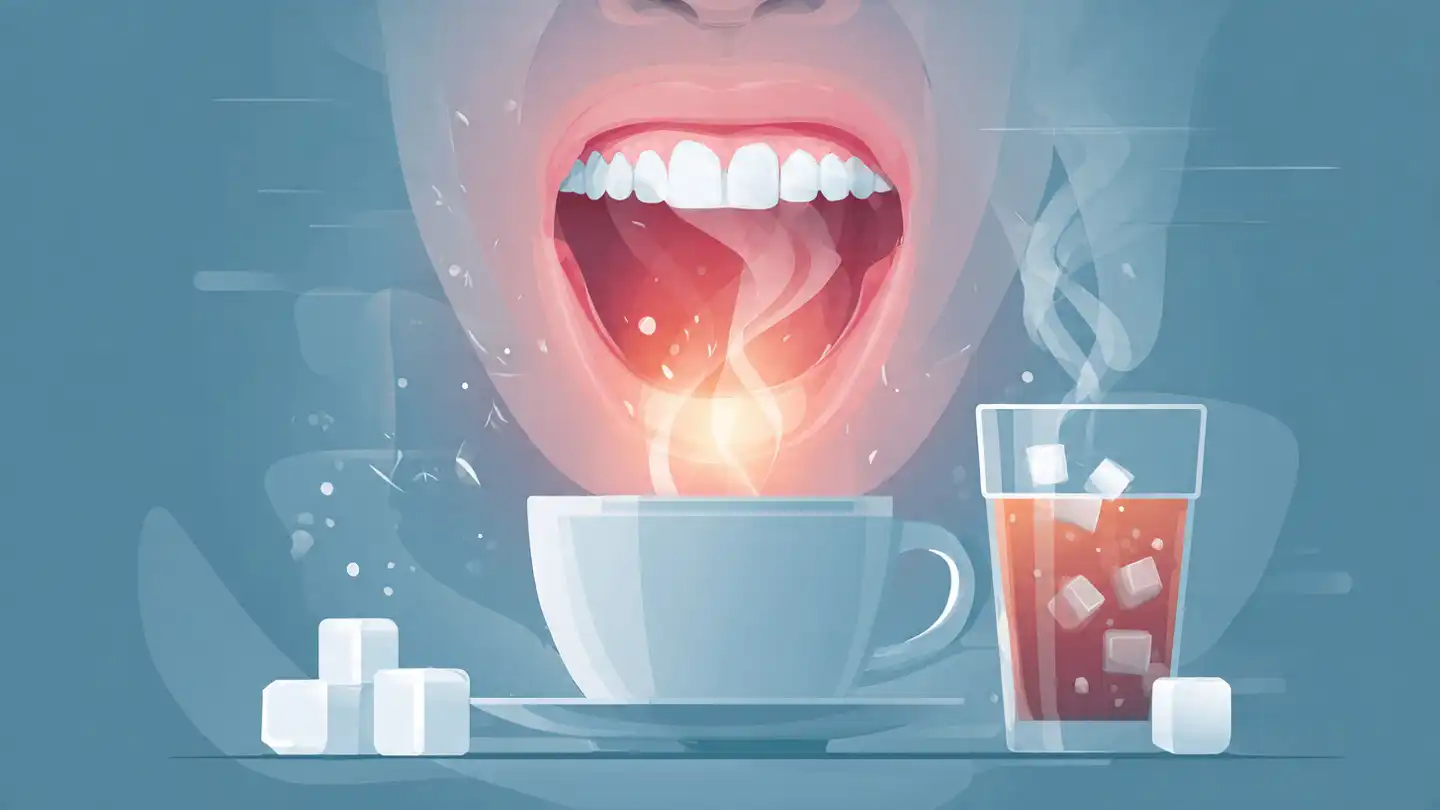
We know that sharp pain or discomfort in your teeth when eating hot or cold foods can be alarming. While occasional sensitivity is common, persistent pain is a signal that something in your mouth needs attention.
This guide explains the causes, management, and prevention of tooth sensitivity and pain after eating.
Understanding Tooth Sensitivity
Tooth sensitivity happens when the protective layers of your teeth are compromised, allowing temperature or pressure stimuli to reach the inner nerve. The tooth has three main layers:
- Enamel: Hard outer layer protecting the tooth.
- Dentin: Inner layer containing microscopic tubules connected to the nerve.
- Pulp / Nerve: The innermost layer responsible for sensation.
When enamel or gums are damaged, hot, cold, sweet, or acidic foods can trigger sharp pain, ranging from a brief twinge to lingering discomfort.
Common Causes of Tooth Pain When Eating Hot or Cold Foods
1. Enamel Erosion
Enamel wears down over time due to:
- Acidic foods and beverages (citrus, soda, coffee)
- Aggressive brushing
- Teeth grinding (bruxism)
Exposed dentin makes teeth highly sensitive to temperature changes.
2. Gum Recession
Gum recession exposes tooth roots, which lack enamel. Causes include:
- Gum disease
- Aging
- Overbrushing
- Tobacco use
Exposed roots are more sensitive to hot and cold foods.
3. Tooth Decay (Cavities)
Cavities create holes in the enamel and dentin, allowing food and temperature changes to irritate the nerve, often causing pain with sweets, cold drinks, or even biting.
4. Cracks or Fractures
Even tiny cracks in a tooth can let pressure or temperature reach the inner layers, causing sharp pain when chewing or eating hot or cold foods.
5. Worn or Loose Fillings
Old dental work can allow hot or cold liquids to reach sensitive areas, causing discomfort. Replacing or adjusting these restorations often resolves the pain.
6. Gum Disease and Inflammation
Plaque buildup or gum infection can make gums tender. Food pressing against inflamed gums can cause pain, sometimes felt as tooth sensitivity.
7. Bite Misalignment or Grinding
Uneven chewing pressure or nighttime grinding can wear enamel unevenly and expose dentin, leading to discomfort with temperature changes.
8. Infection or Abscess
If the pulp is infected, teeth may hurt during eating or even at rest. This requires prompt dental intervention to prevent further damage.
How to Manage Tooth Sensitivity at Home
Mild sensitivity can often be managed with simple home care:
- Use toothpaste for sensitive teeth
- Brush gently with a soft-bristled toothbrush
- Rinse with a fluoridated mouthwash
- Avoid extremely hot, cold, or acidic foods
- Use a straw for beverages to reduce contact with teeth
- Wear a night guard if you grind your teeth
These steps can reduce discomfort and protect enamel while waiting for a dental checkup.
Professional Dental Treatments
At Omabod Dental, we provide treatments tailored to the cause of your tooth pain:
- Fluoride treatments – strengthen enamel and reduce sensitivity
- Dental bonding or sealants – cover exposed dentin
- Fillings or crowns – repair decay or fractures
- Gum disease treatment – scaling, root planing, or grafting
- Root canal therapy – for severe nerve damage or infection
Early intervention can prevent worsening pain and long-term damage.
Prevention Tips for Long-Term Oral Health
- Brush twice daily with a fluoride toothpaste
- Floss daily to remove trapped food
- Avoid acidic and sugary foods and beverages
- Use a soft toothbrush and gentle brushing technique
- Attend regular dental checkups at least twice a year
- Protect teeth from grinding with a night guard if needed
Consistent care keeps your teeth strong and minimizes sensitivity.
Key Takeaways
- Pain when eating hot or cold foods is often caused by enamel erosion, gum recession, cavities, cracks, or dental work issues.
- Persistent or severe pain should always be checked by a dentist.
- Early detection and treatment prevent long-term damage and restore comfort.
- At Omabod Dental, we combine expert care with patient education to keep your teeth healthy, strong, and pain-free.