Bleeding gums are one of the most common signs that your gums are unhealthy. Many people think occasional bleeding is normal, but it is usually a warning that your gums are irritated, inflamed, or affected by early gum disease.
At Omabod Dental, we help patients understand the causes of bleeding gums and provide the right treatments to restore gum health.
Understanding Bleeding Gums
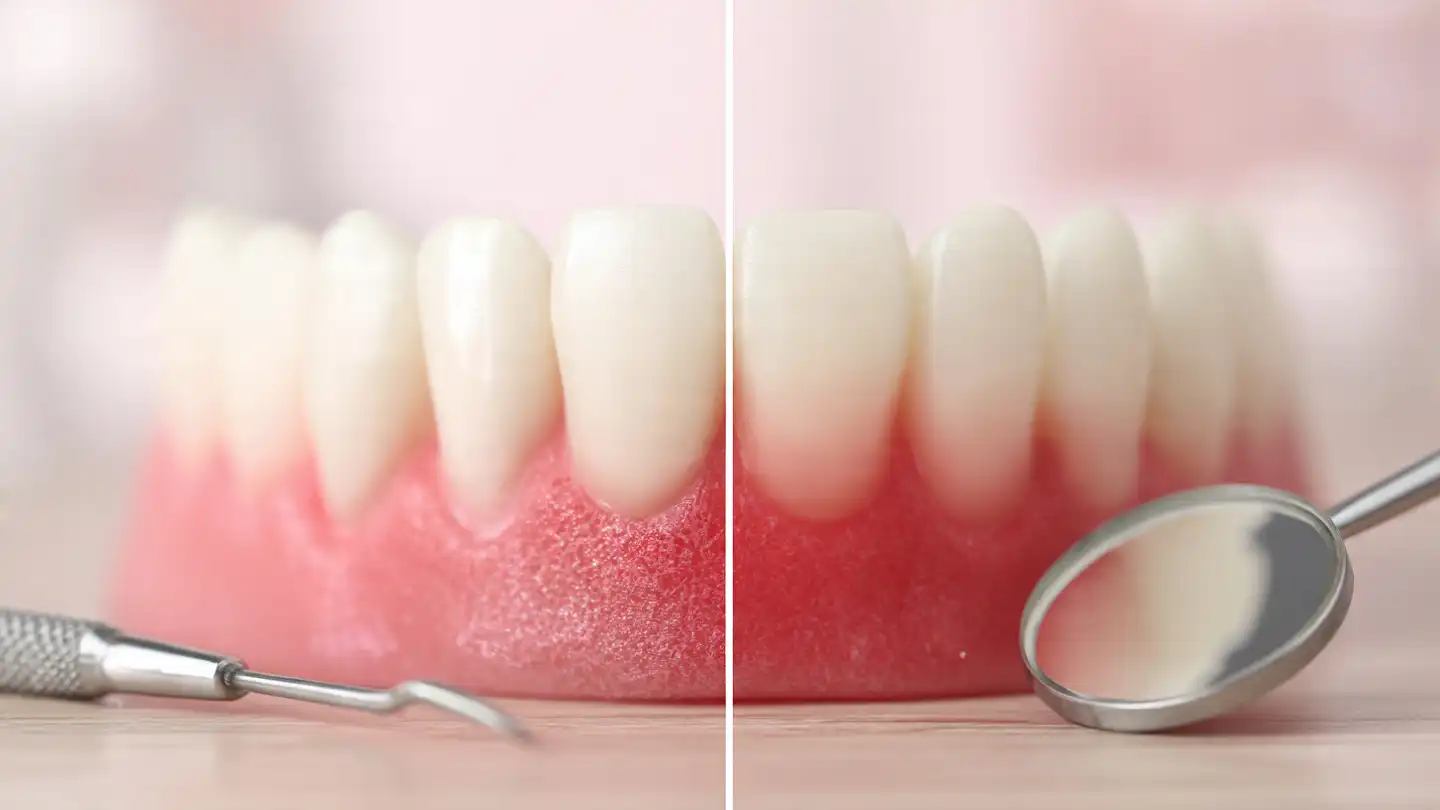
Bleeding gums happen when the soft tissue around your teeth becomes inflamed or injured. Healthy gums are pink and firm and do not bleed during brushing or flossing. When gums bleed, it is usually a sign that something is affecting your gum health.
What Causes Bleeding Gums
At Omabod Dental, we see several common causes of bleeding gums:
Plaque Buildup
Plaque is a sticky layer of bacteria that constantly forms on teeth. If it is not removed daily, it irritates the gums, making them red, swollen, and prone to bleeding.
Gum Disease
Gingivitis is the earliest stage of gum disease, causing gums to swell and bleed easily. If untreated, it can progress to periodontitis, which damages the supporting structures of your teeth and may lead to loose teeth or tooth loss.
Brushing and Flossing Habits
Using a toothbrush with hard bristles or brushing too aggressively can injure gums. Flossing too hard, especially after a long break, can also cause temporary bleeding.
Hormonal Changes
Puberty, pregnancy, and menopause can increase gum sensitivity, making them more likely to bleed.
Medical Conditions and Medications
Certain conditions, such as diabetes or vitamin deficiencies (especially vitamins C and K), and medications like blood thinners can make bleeding gums more likely.
Lifestyle Factors
Smoking and poor diet weaken the gums, making them more susceptible to inflammation and bleeding.
Symptoms to Watch For
Signs that your gums need professional care include:
- Gums that bleed frequently during brushing or flossing
- Red, swollen, or tender gums
- Persistent bad breath or bad taste in the mouth
- Gums that are receding or pulling away from the teeth
How Dentists Treat Bleeding Gums
At Omabod Dental, treatment focuses on removing the cause of bleeding and promoting gum healing:
Examination and Diagnosis
We examine your gums, teeth, and mouth to identify the cause of bleeding. This includes checking for plaque buildup, gum pockets, or early signs of gum disease.
Professional Cleaning
Our hygienists remove plaque and tartar that cannot be cleaned at home, reducing irritation and inflammation.
Deep Cleaning
For more advanced gum disease, we perform root planing and scaling below the gumline to remove bacteria and allow gums to heal.
Personalized Oral Care Advice
We teach the proper way to brush and floss to prevent further bleeding and recommend the right toothbrush, toothpaste, and mouthwash for your needs.
Follow-Up Care
Regular check-ups ensure your gums heal properly and help prevent gum disease from recurring.
Preventing Bleeding Gums
You can support healthy gums by:
- Brushing twice daily with a soft-bristled toothbrush
- Flossing once daily to remove plaque between teeth
- Eating a balanced diet and avoiding excessive sugar
- Visiting Omabod Dental regularly for check-ups and cleanings
When to See Omabod Dental
You should visit us if:
- Your gums bleed regularly
- Bleeding is accompanied by pain, swelling, or bad breath
- You notice gums receding or teeth becoming loose
Early intervention makes it easier to treat bleeding gums and prevent serious gum disease.
Final Thoughts
Bleeding gums are not normal and should never be ignored. Most causes, such as plaque and early gum disease, can be treated effectively with good oral care and professional treatment.
At Omabod Dental, we provide the care, guidance, and treatment you need to maintain healthy gums and protect your teeth for life.