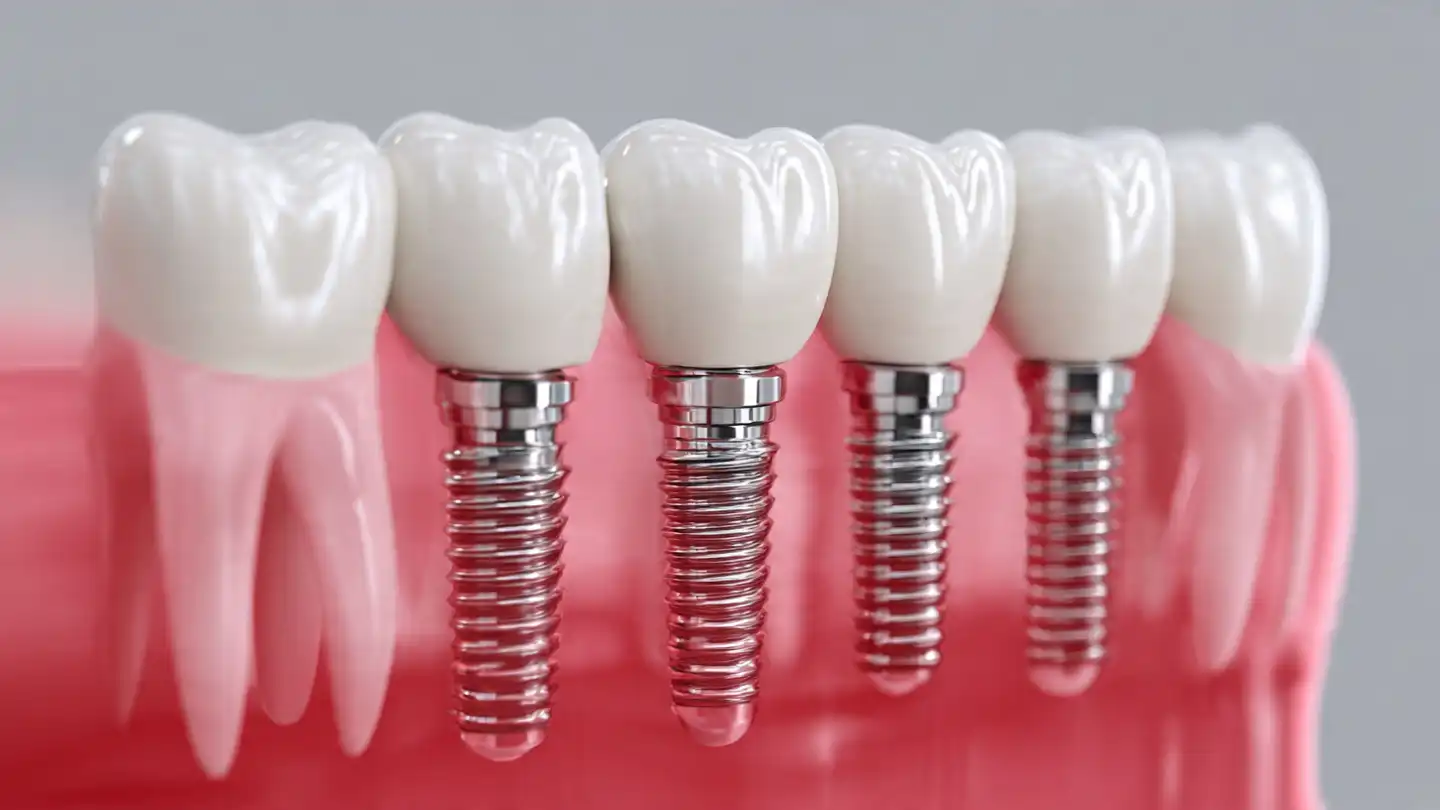

Brushing your teeth twice a day is good. But brushing alone does not clean your entire mouth.
Your toothbrush cleans the front, back, and chewing surfaces of your teeth, but it cannot effectively reach the tight spaces between them. That is where flossing becomes essential.
At Omabod Dental & Wellness Center, many patients who brush regularly are surprised to learn that gum inflammation often starts in areas between teeth that they thought were already clean.
Why Flossing Is So Important
Flossing removes plaque and food particles from areas your toothbrush cannot reach.
Without flossing, plaque builds up between teeth and along the gumline, which can lead to:
- Cavities between teeth
- Bleeding gums
- Gum disease (gingivitis and periodontitis)
- Bad breath
- Tooth loss over time
Flossing is not optional — it is a key part of daily oral hygiene.
What Happens If You Don’t Floss?
When plaque stays between teeth:
- It hardens into tartar
- Gums become inflamed
- Bleeding may start during brushing
- Infection can develop below the gumline
Gum disease often begins quietly. Many adults in Accra do not realize they have early gum inflammation until it becomes painful or severe.
How Often Should You Floss?
For most adults:
- Floss once a day
- Preferably before bedtime
- Floss before brushing to remove debris first
Consistency matters more than perfection.
How to Floss Properly (Step-by-Step)
Many people floss incorrectly, which reduces its effectiveness.
Step 1: Use Enough Floss
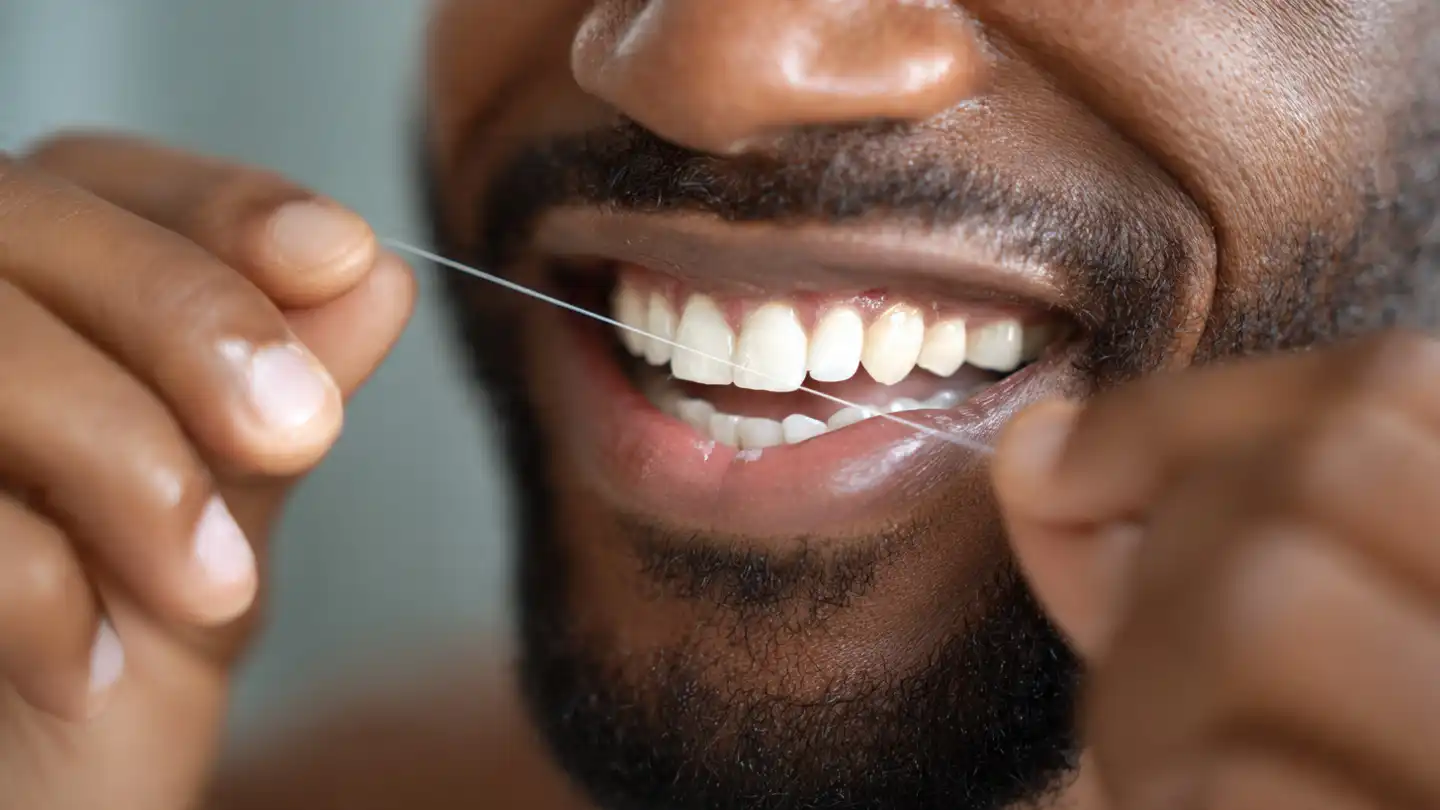
Cut about 45 cm (18 inches) of floss. Wrap most of it around one finger on each hand, leaving a few centimeters to work with.
Step 2: Gently Insert Between Teeth
Slide the floss gently between two teeth. Do not snap it into the gums.
Step 3: Curve Around the Tooth
Form a “C” shape around one tooth and move the floss up and down along the side.
Step 4: Clean Below the Gumline
Gently move the floss slightly under the gumline, then back up.
Step 5: Use a Clean Section Each Time
Unwrap fresh floss as you move from tooth to tooth.
Repeat for every space between your teeth.
Common Flossing Mistakes to Avoid
- Snapping floss harshly into the gums
- Flossing only the front teeth
- Skipping the back teeth
- Reusing the same dirty section of floss
- Flossing only when food gets stuck
Proper flossing should take just a few minutes.
What If Your Gums Bleed When You Floss?
Bleeding gums are often a sign of inflammation — not a reason to stop.
If your gums bleed:
- Continue flossing gently
- Maintain daily consistency
- Schedule a dental check-up if bleeding persists
Regular flossing often reduces gum bleeding within a few days if plaque buildup was the cause.
Alternatives to Traditional Floss
If traditional floss feels difficult, alternatives include:
- Floss picks
- Interdental brushes
- Water flossers
A dentist can help determine which option suits you best.
Why Flossing Matters for Long-Term Oral Health
Flossing daily helps:
- Prevent cavities between teeth
- Protect gum health
- Reduce bad breath
- Lower risk of advanced gum disease
- Support overall oral hygiene
It is one of the simplest ways to protect your teeth long-term.
Key Takeaways
- Brushing alone is not enough
- Floss once daily to remove plaque between teeth
- Proper technique prevents gum damage
- Bleeding gums are often a warning sign
- Consistency protects long-term oral health
A simple question
If brushing only cleans about 60% of your tooth surfaces, are you cleaning the remaining 40%?
That 40% is where many dental problems begin.